
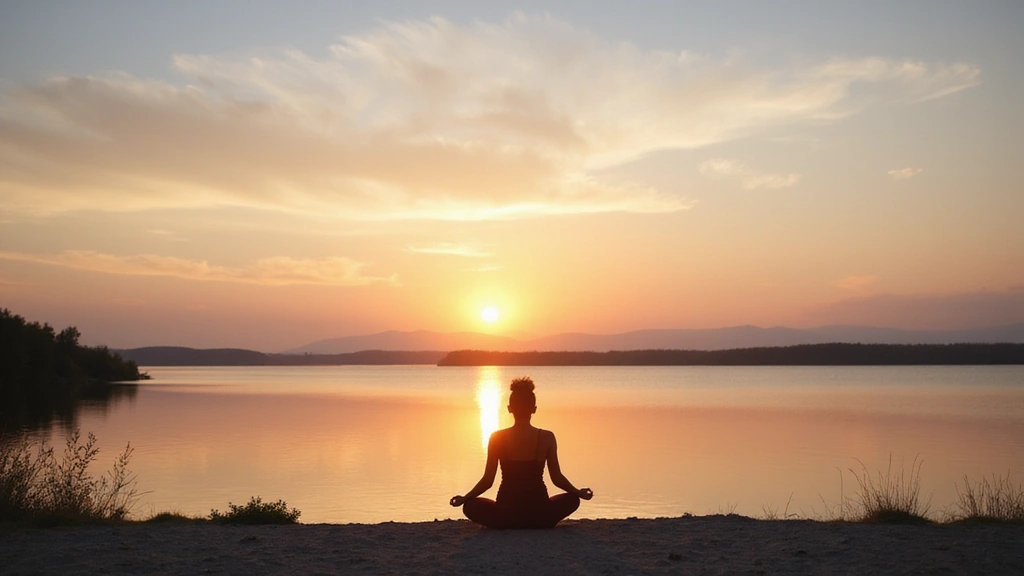

Feeling overwhelmed? Life can be a whirlwind, and stress seems to be our constant companion. Luckily, mindfulness practices offer a serene way to reclaim your peace.
Whether you’re staring down a mountain of tasks or dealing with daily life pressures, these mindfulness techniques can calm your mind and refresh your spirit.
Let’s explore 14 ways to bring more tranquility into your life, featuring actionable tips and relatable insights. You’ll find something here that resonates with you and your journey towards less stress and a more mindful existence!
1. Deep Breathing Exercises

Deep breathing is like a reset button for your mind. It’s simple yet incredibly effective. When stress hits, we often hold our breath or breathe shallowly, which can exacerbate anxiety.
To practice deep breathing, find a quiet place, sit comfortably, and inhale deeply through your nose, allowing your belly to expand. Hold your breath for a moment, and then exhale slowly through your mouth. Repeat this for a few minutes. This technique floods your body with oxygen and triggers a relaxation response.
– Feel the breath travel in and out of your body.
– Try counting to four while breathing in and out.
– Use this practice whenever you start to feel stressed, even in the middle of a busy day. Deep breathing reminds you to pause and take a moment for yourself.
| Mindfulness Practice | Description | Tips |
|---|---|---|
| Deep Breathing Exercises | Inhale deeply through your nose, hold, and exhale slowly through your mouth. | Practice whenever you feel stressed. |
| Mindful Walking | Focus on the sensations of your feet touching the ground and your surroundings. | Aim for at least 10 minutes. |
| Gratitude Journaling | Write down three things you are grateful for each day. | Do this in the morning to set a positive tone. |
| Body Scan Meditation | Tune into physical sensations from toes to head, breathing into areas of tension. | Use soothing music for a calming atmosphere. |
| Mindful Eating | Savor the flavors, textures, and aromas of your food without distractions. | Identify all ingredients in a dish. |
| Nature Immersion | Spend time in natural settings to recharge and reduce stress. | Capture moments through photography. |
2. Mindful Walking

Transform your walks into a mindful journey! Instead of zoning out or scrolling on your phone, focus on the sensations of your feet touching the ground.
Notice the rhythm of your steps, the sounds around you, and the air on your skin. This practice not only helps you clear your mind but also connects you with your surroundings. You can do this in a park, a quiet street, or even inside your home.
– Bring awareness to each footfall.
– Notice the sights, sounds, and smells as you walk.
– Let go of thoughts about the past or future; stay present in the moment.
– Aim to walk for at least 10 minutes to reap the benefits of this practice.
🕯️ Illuminate Your Mindfulness Journey
Transform your space into a calming oasis with our elegant candle warmer, perfect for enhancing your mindfulness practices.
” target=”_blank” rel=”noopener noreferrer” style=”display: inline-block; background: #2d5016; color: #ffffff; padding: 12px 24px; border-radius: 25px; text-decoration: none; font-weight: 600; font-size: 16px;”>👉 Shop Now
3. Gratitude Journaling

Journaling isn’t just about recording events; it’s about cultivating a positive mindset. Start a gratitude journal to shift your focus from stressors to the things you appreciate in life.
Each day, jot down three things you are grateful for, no matter how small. This simple act rewires your brain to notice the good around you, which can significantly lower stress levels.
– Use a beautiful notebook to make it inviting.
– Write things that made you smile or felt warm and fuzzy.
– Reflect on why each item matters to you, adding depth to your gratitude.
– Consider doing this practice in the morning to set a positive tone for your day.
4. Body Scan Meditation

A body scan meditation encourages you to tune in to your physical sensations, helping you recognize where you hold tension or stress. Lie down comfortably or sit in a relaxed position.
Starting from your toes, focus on each body part, noticing any sensations or tightness. Gradually work your way up to the crown of your head. If you notice areas of tightness, breathe into them and visualize the tension melting away. This practice enhances your body awareness and promotes relaxation.
– Spend a few minutes on each body part.
– Use soothing music or ambient sounds for a calming atmosphere.
– This can be especially effective before bedtime to ease into restful sleep.
5. Mindful Eating

Eating can often become a rushed affair, but practicing mindfulness during meals can turn it into a delightful experience. Instead of multitasking while you eat, take time to notice the flavors, textures, and aromas of your food.
Start by choosing a meal or snack, then sit down without distractions. Take small bites, chew slowly, and savor each mouthful. This practice not only improves digestion but also enhances your relationship with food.
– Try to identify all ingredients in a dish.
– Appreciate the effort put into your meals, whether homemade or ordered.
– Notice how your body feels as you eat and when you’re full.
6. Nature Immersion

Nature has a magical ability to calm our minds. Plan regular outings in natural settings to recharge your mental battery. Whether it’s a hike in the woods, a day at the beach, or simply a stroll in your local park, take the time to immerse yourself.
Focus on the sights, sounds, and smells around you. Feel the breeze, listen to the birds, and notice the colors of the trees. Spending time in nature has been shown to reduce cortisol levels, the hormone linked to stress.
– Take off your shoes to feel the earth beneath your feet.
– Bring a friend or go solo; both have unique benefits.
– Capture moments through photography to cherish the experience.
7. Progressive Muscle Relaxation

Progressive muscle relaxation (PMR) helps you tune into physical tension and release it. Start with your toes and gradually work your way up to your head, clenching each muscle group for a few seconds before letting go.
This technique promotes deep relaxation and can be done anywhere, anytime. As you release each muscle, visualize the stress melting away.
– Find a quiet space and get comfortable.
– Practice this technique when feeling anxious or before bed.
– Pair it with deep breathing for an even greater effect.
8. Visualization Techniques

Visualization is a powerful tool in mindfulness that allows you to escape to your ‘happy place.’ Find a quiet spot, close your eyes, and create a vivid mental image of a peaceful scene—a beach, a forest, or anywhere that makes you feel calm.
As you visualize this place, engage all your senses. What do you see? Hear? Smell? This multi-sensory experience can significantly reduce stress, transporting you from your current worries to a comforting mental getaway.
– Set a timer for 5-10 minutes.
– Use calming background music or sounds for added effect.
– Write about the experience in your journal afterward.
9. Daily Mindfulness Moments

Incorporate mindfulness into your everyday moments. This can be as simple as taking a minute to notice your surroundings while waiting in line or drinking your morning coffee.
Instead of rushing through tasks, pause to appreciate the little things. Feel the warmth of the sun on your skin, listen to birds chirping, or focus on the taste of your food. These mini-mindfulness moments help break up the chaos of daily life, anchoring you in the present.
– Set reminders to take brief mindfulness breaks throughout your day.
– Use an app that nudges you to be present.
– Share your experiences with friends to encourage them to join in.
10. Mantra Meditation

Mantra meditation involves repeating a calming phrase or sound to help focus your mind. This can be a traditional mantra or a phrase that resonates with you personally.
Find a comfortable position, close your eyes, and gently repeat your chosen mantra. Anytime your mind begins to wander, gently bring it back to the mantra. This practice can create a deep sense of peace and stillness.
– Choose a mantra that inspires you.
– Try this meditation for 5-10 minutes each day.
– Consider using a meditation app that guides you through the process.
11. Digital Detox

Taking a break from screens can drastically reduce stress levels. Digital overload can lead to feelings of anxiety, especially with constant notifications and the pressure to stay connected.
Set aside specific times in your day to disconnect from your devices. Use this time to engage in mindfulness practices, read a book, or go for a walk. You’ll be surprised at how refreshing it feels to step away from the digital world.
– Start with an hour a day and gradually increase.
– Encourage others to join you for accountability.
– Use the time to reconnect with hobbies you love.
12. Creative Expression

Engaging in creative activities can be a powerful way to practice mindfulness. Whether it’s drawing, painting, or even adult coloring books, focusing on the act of creation helps quiet the mind.
Allow yourself to get lost in your art without worrying about the outcome. Let your imagination flow freely, enjoying the process rather than seeking perfection. This practice can be incredibly cathartic and a great outlet for stress.
– Set up a dedicated space for your creativity.
– Try new techniques or styles to keep it fresh.
– Share your creations if you feel comfortable, or keep them just for you.
13. Acceptance and Letting Go

Mindfulness is not just about being present but also about accepting where you are at this moment. Many stressors come from wanting things to change or resisting what is.
Practice acceptance by acknowledging your feelings without judgment. Embrace emotions like sadness or frustration, understanding they are part of the human experience. This shift in perspective can lighten the burden of stress.
– Try writing down your feelings to clarify them.
– Use affirmations that promote acceptance and self-compassion.
– Seek support from friends or professionals if needed.
14. Seek Connection

One of the simplest yet most effective ways to combat stress is through connection with others. Spending time with loved ones, friends, or even pets can elevate your mood and create a sense of belonging.
Make space in your life for genuine connections by scheduling regular catch-ups, phone calls, or family dinners. Engaging in conversation or shared activities can ground you and provide support when stress arises.
– Plan fun outings or simple gatherings.
– Be open about your feelings; vulnerability can strengthen connections.
– Consider support groups or community events to meet new people.
Conclusion

Embracing mindfulness practices creates a sanctuary from stress in your busy life. Whether it’s a deep breath, a gratitude journal, or mindful walking, these techniques can guide you to a calmer state of mind.
Try incorporating some of these practices into your daily routine, especially the ones that resonate with you most. Remember, mindfulness is a journey, not a destination, so take your time and enjoy the process.
Frequently Asked Questions
What Are Mindfulness Practices and How Can They Help Reduce Stress?
Mindfulness practices are techniques aimed at fostering a present-moment awareness, which can significantly reduce stress. By focusing on the here and now, you can help calm your mind and alleviate feelings of anxiety. Simple activities like deep breathing or mindful walking are great starting points to bring calmness into your life.
How Do I Get Started with Mindfulness Practices for Stress Relief?
Starting with mindfulness practices is easier than you might think! Begin with deep breathing exercises—just a few minutes can make a big difference. You might also try gratitude journaling to shift your focus from stressors to positive aspects of your life. Remember, consistency is key, so aim to incorporate these practices into your daily routine!
Can Mindfulness Practices Be Effective for Everyone?
Absolutely! While everyone may respond differently, mindfulness practices can be beneficial for a wide range of people. Whether you’re dealing with everyday stress, anxiety, or just looking for a way to feel more grounded, these practices provide tools that can help anyone find a sense of calm and balance in their lives.
Is Meditation the Same as Mindfulness Practices?
Great question! While meditation is a form of mindfulness practice, mindfulness itself is broader. Meditation often involves focused attention and quieting the mind, while mindfulness practices can be integrated into everyday activities, like mindful eating or nature immersion. Both aim to cultivate awareness and reduce stress, but they can be practiced in different ways.
How Long Should I Practice Mindfulness for It to Be Effective?
You don’t need hours to experience the benefits of mindfulness! Even just a few minutes of daily practice can lead to notable stress relief. Start with short sessions—5 to 10 minutes—then gradually increase as you become more comfortable. The key is regularity, so find a routine that works for you and stick with it!