
15 Genius Small Space Storage Solutions That Will Double Your Home’s Capacity
Transform every square inch of your home with these brilliant organization tricks that real homeowners swear by
Living in a small space doesn’t mean you have to live cluttered. Whether you’re in a studio apartment, a cozy cottage, or just trying to make the most of a compact floor plan, smart storage is the secret to a home that feels twice its size. These 15 solutions are practical, affordable, and surprisingly easy to implement — no renovation required.
⭐Editor’s Pick: The Over-the-Door Organizer System
If you pick just one tip from this list, make it this one. Over-the-door organizers — whether shoe pockets, pantry caddies, or dedicated craft organizers — turn dead space into usable storage in under five minutes. They’re invisible when closed, cost under $20, and work in every room. This is the single highest-ROI storage upgrade you can make.
1. Vertical Floating Shelves: The Space Your Walls Are Hiding
When floor space is limited, your walls are your best friend. Floating shelves create storage without the visual bulk of bookcases, and they draw the eye upward, making your room feel taller. Install a row of three to five shelves above a desk or sofa to store books, plants, and decorative objects. Use mismatched wood tones for a rustic vibe, or go with crisp white for a modern minimalist look. Pro tip: keep the arrangement asymmetric — odd numbers and varied shelf depths create visual interest without feeling cluttered.
2. Under-Bed Rolling Drawers: The Closet You Already Own
That gap between your mattress and the floor is prime real estate. Low-profile rolling drawers or flat plastic bins slide neatly underneath bed frames, capturing seasonal clothing, extra linens, or shoes you only wear occasionally. Look for drawers with soft-close wheels to protect your flooring. If your bed sits too low, invest in bed risers — they add 3 to 6 extra inches of clearance and can boost your storage by an entire layer of bins. This is one of the most underutilized storage zones in any home.

3. Corner Cabinet Lazy Susans: Ending the Lost-Item Hunt
Corner cabinets are notorious dead zones — you push things to the back and forget they exist. A rotating Lazy Susan fixes that entirely. Spinning shelves let you access everything from condiments to cleaning supplies without crawling into the cabinet. Two-tier models maximize vertical space within the same footprint. They’re especially transformative in kitchen corner cabinets, where pots, pans, and Tupperwaare constantly vanish into the void. After installing one, you’ll wonder how you ever lived without it.
4. Over-the-Door Pocket Organizers: Dead Space, New Life
Bathroom doors, closet doors, pantry doors — every door in your home is a vertical storage opportunity waiting to be unlocked. Clear-pocket over-the-door organizers are see-through so you always know what you have, and they hold everything from toiletries to craft supplies to cleaning products. For closets, choose a shoe-pocket version to free up shelf space. For pantries, a deep-pocket caddy keeps snacks, spices, and canned goods organized and within reach. Installation takes seconds with no tools — just hook and go.
5. Stackable Nesting Bins: Order in Every Room
Nesting bins are the chameleons of the storage world. When not in use, they collapse flat. When you need them, they pop open and stack neatly. Use them in living rooms to organize throw blankets and magazines, in closets to separate clothing categories, or in kids’ rooms to create labeled toy zones. The key is choosing bins with handles for easy pulling and a neutral aesthetic that blends with your decor. Canvas bins in oatmeal or charcoal tones work in almost any room without visual competition.
6. Wall-Mounted Pegboards: Customization Without Renovation
Pegboards have graduated from garage walls to living spaces, and for good reason. A wall-mounted pegboard above a desk creates a customizable command center — hang office supplies, calendars, headphones, and small shelves without putting a single hole in your walls. In the kitchen, a pegboard replaces bulky wall cabinets with open storage that’s easier to navigate. In craft rooms, it becomes a tool organization hub. Choose a painted pegboard (not raw metal) in a color that complements your room, and invest in varied peg shapes — U-hooks, S-hooks, and shelf pegs give you maximum flexibility.

7. Hidden Toe-Kick Drawers: The Secret Storage You’re Walking Over
Kitchen and bathroom cabinets have a neglected gap between the bottom shelf and the floor — the toe-kick area. This narrow space is perfect for flat, pull-out drawers designed specifically for this gap. They’re designed for items you access daily but don’t need to see: baking sheets, cutting boards,保鲜盒 lids, and cleaning supplies. Some homeowners even install narrow pull-out pantries in toe-kick spaces for spices and small jars. The installation is a one-time project that adds genuine storage capacity without altering your cabinet layout.
8. Multi-Functional Furniture: One Piece, Double Duty
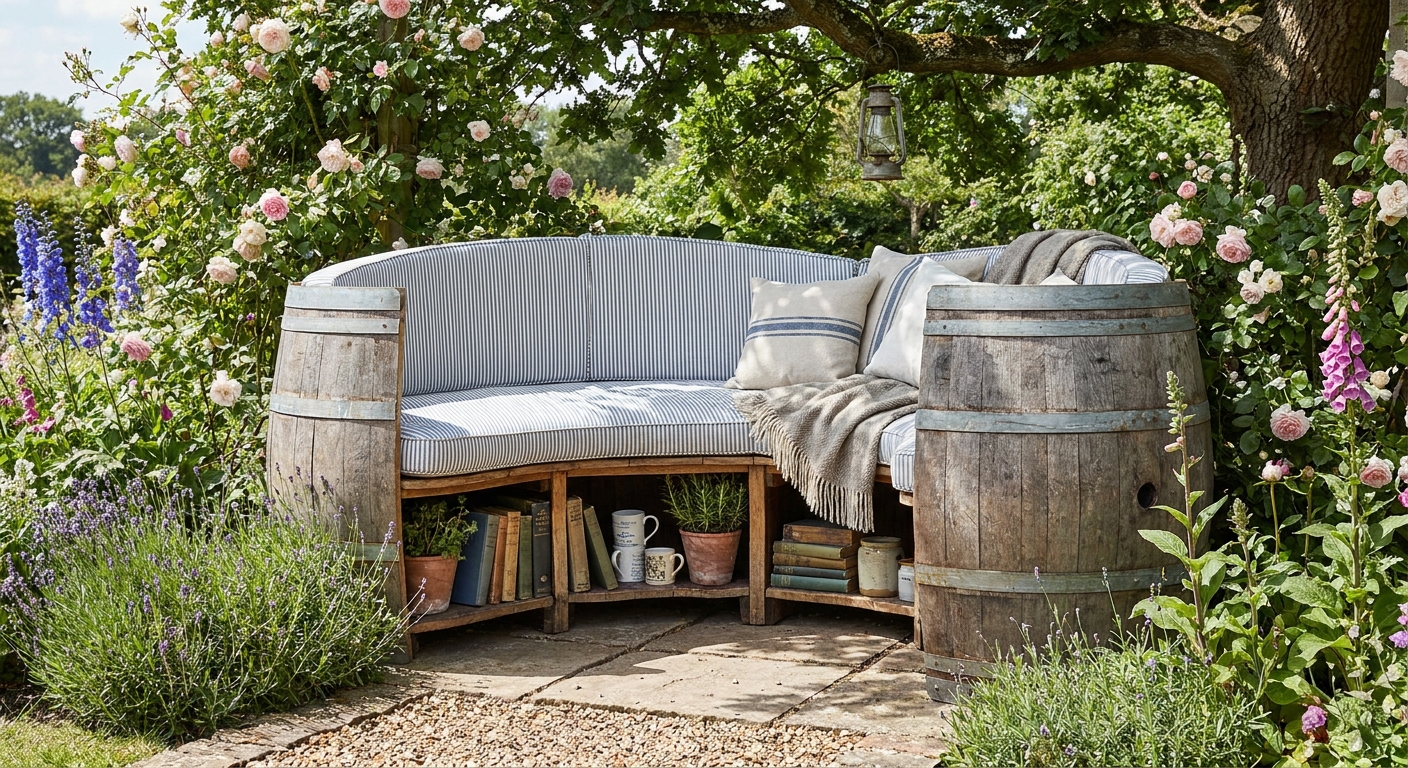
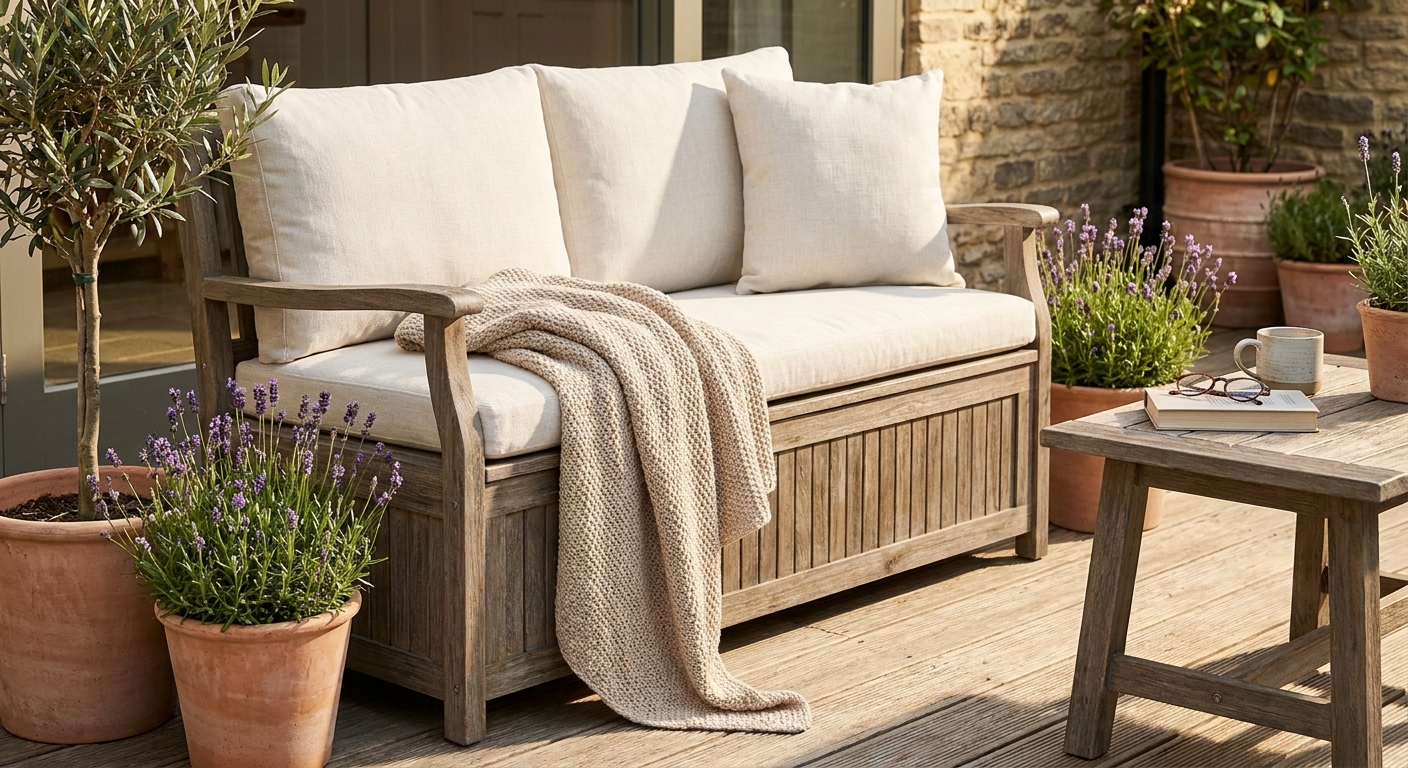
When space is at a premium, every furniture piece must earn its keep. An ottoman with built-in storage replaces both a coffee table and a blanket box. A bed frame with built-in drawers eliminates the need for a dresser in the bedroom. A dining table with leaves that store underneath means you never need a separate expandable table. When shopping for new furniture, always ask: does this serve more than one purpose? The furniture industry increasingly designs for small spaces, so quality options are easier to find than ever — focus on pieces with soft-close mechanisms and clean lines that don’t visually overwhelm a small room.

9. Staircase Under-Stair Storage: Carving Closets from Geometry
If your home has a staircase, the space underneath is one of the most valuable storage areas you’re probably wasting. Depending on the slope, you can install floor-to-ceiling cabinets, open shelving, or a combination of both. Drawers work well for clothing storage; open shelves display decorative items or store baskets. Some homeowners convert the space into a home office nook or a reading corner with cushions and lighting. The key is working with the angled geometry — custom-fitted solutions look built-in rather than afterthought, and they dramatically increase your home’s usable storage without consuming any additional floor space.
10. Drawer Dividers and Inserts: The Difference Between Clutter and Calm
You can have the best organizing system in the world, but without drawer dividers, everything avalanches into chaos within a week. Adjustable drawer dividers transform a junk drawer into a functional zone — one section for utensils, one for office supplies, one for miscellaneous electronics. In bedrooms, dividers keep socks, underwear, and accessories neatly separated. In bathrooms, they organize makeup, skincare products, and grooming tools. The beauty of adjustable dividers is that they adapt as your collection changes. Start with a basic set and expand as you learn what each drawer really needs.

11. Ceiling-Mounted Pot Racks: Clearing Cabinet Space One Hook at a Time
Kitchen cabinet space is precious, and pots and pans are among the biggest space hogs. A ceiling-mounted pot rack frees up an entire cabinet’s worth of room while keeping your most-used cookware accessible. Grid-style racks work well over kitchen islands; linear tracks suit narrow galley kitchens. Hang pots on S-hooks so they’re easy to take down and put back. If ceiling mounting isn’t an option, wall-mounted pot rails near the stove serve a similar purpose. This upgrade is especially effective in kitchens where cabinet space is limited but ceiling height is generous — which describes most modern apartments.
12. Clear Labeled Containers: The System That Sustains Itself
Here’s the uncomfortable truth: most storage systems fail not because they’re poorly designed, but because nobody can find anything after a week. Clear containers solve this permanently. When you can see inside, you automatically put things back in the right place. Pair them with a label maker — yes, it sounds fussy, but it takes 10 seconds per label and prevents an enormous amount of re-organizing frustration. Use consistent label formatting (same font, same tape color) for a clean visual. This system works especially well in pantries, closets, and craft rooms, where similar-shaped items constantly get mixed up.
13. Shower Curtain Rod Second Tier: Vertical Space in the Bathroom
The space inside your bathtub/shower enclosure doesn’t have to be limited to floor-level storage. A spring-loaded tension rod installed inside the shower (between the walls) creates a second tier for shampoo bottles, conditioners, and shower tools. A second rod outside the shower curtain creates a drying zone for damp towels or swimsuits. These are invisible when not in use, cost less than $10 each, and solve the perennial bathroom storage shortage without any drilling or hardware. For families, labeling the inner rod sections helps everyone know where their products go — reducing clutter and morning arguments alike.

14. Hanging Wall Pockets and Fabric Organizers: Soft Storage for Every Surface
Fabric wall pockets bring soft storage to any room without the permanence of mounted shelves. In a kid’s room, they’re perfect for stuffed animals and small toys that don’t belong in a bin. In a home office, they hold mail, notepads, and small electronics. In a mudroom, fabric pockets organize gloves, hats, and scarves by family member. Look for options with reinforced backing so they don’t sag under weight, and choose machine-washable fabrics for easy cleaning. Vertical arrangements work better than horizontal ones — they maximize wall space and keep items visible rather than buried.
15. Seasonal Rotation System: Less stuff, More Space, Less Stress
Here’s the storage secret that professional organizers swear by but most homeowners never try: a seasonal rotation system. Every three months, you cycle your belongings — winter coats go into deep storage in spring, patio cushions come inside for winter. The key is investing in flat vacuum-sealed bags for bedding and clothing, and clear bins for seasonal decorative items. Label every bin with both contents and season. Store off-season items in the least-accessible spots (top of closets, under beds, garage). This system naturally limits what you keep, because if it doesn’t fit in your seasonal rotation, it gets donated. The result is a home that’s never cluttered with out-of-season items, and storage that always has room for what’s currently relevant.
Frequently Asked Questions
Q: What is the biggest mistake people make when organizing small spaces?
A: Buying storage solutions before purging. Most people fill a new organizing system with items they don’t actually use or need. The rule every professional organizer follows is: purge first, then organize. Donate or discard anything you haven’t used in 12 months before investing in bins, shelves, or drawers. This alone can free up 30-50% more space without buying a single new storage product.
Q: How can I add storage without making my small room feel even smaller?
A: The key is going vertical and going transparent. Floating shelves, wall-mounted storage, and clear containers all add function without consuming floor space. Avoid tall, bulky furniture or closed cabinets that block sight lines — open storage and transparent containers maintain visual flow, making rooms feel larger. Light colors, mirrored surfaces, and good lighting also work hand-in-hand with smart storage to create an open, airy feel.
Q: Are over-the-door organizers actually sturdy enough for heavy items?
A: Yes, when you choose the right one. Over-the-door organizers with metal hooks and reinforced backing can hold surprisingly heavy items — up to 15-20 pounds for well-made models. Avoid the cheapest options with thin plastic hooks, which can crack. For heavy items like shoes or bags, look for organizers with both a top hook and an over-the-door clamp. And always check the weight rating before loading — most failures come from exceeding the manufacturer’s weight limit, not from product defects.
Q: What’s the most cost-effective small space storage solution?
A: Drawer dividers and labeled containers. These two items — often totaling under $30 — transform chaotic drawers and cabinets into organized systems. They work immediately with no installation, no tools, and no commitment. They’re also fully adjustable, so you can reconfigure them as your needs change. Before investing in furniture or built-in solutions, start here.